


Most business leaders believe a brand is built through high-end design and aggressive marketing. While those elements are necessary, they are only the surface level of a deeper strategic engine. In today’s market, the employee experience in branding has become the primary factor in how the world judges a company’s integrity and value.
The signals are subtle but constant. Customers pick up on tone, responsiveness, and follow-through. Candidates read between the lines. Even partners notice when something feels off. These moments reflect how the organization runs at its core.
This article breaks down what drives those signals, where gaps form, and what separates brands that hold up under scrutiny from those that don’t.
How Employee Experience Shapes Your Brand’s Success
A brand functions as a single system. Marketing provides the visual identity, but your employees drive execution. Employee experience (EX) determines the quality of every interaction. It’s about operationalizing your values so they manifest in every customer journey.
This process reflects how culture, recognition, and purpose combine to support high performance. When your team has the right support, their daily habits naturally mirror company values. They don’t require scripts because they are aligned with the brand’s direction.
From Employee Experience to Brand Perception
Brand perception now depends a lot on employee conduct as it does on traditional advertising. For leaders aiming for genuine brand value, this shift is a necessary reality check.
Customers, partners, and potential hires evaluate your culture based on direct interactions and reviews. Your workforce represents the most authentic version of your brand.
Your Team’s Influence on Brand Reputation
Every interaction ripples outward. It might be a receptionist going the extra mile or an account manager solving a client’s problem with genuine empathy. Conversely, one disengaged team member can start a social media storm that erases years of work.
- The Ritz-Carlton Effect: They don’t just run ads. They maintain a culture where staff deliver wow moments that build loyalty.
- The Viral Risk: We have all seen how a single video of an employee being treated poorly or an employee treating a customer poorly can tank a stock price overnight.
The difference is rarely a clever campaign. It is usually a culture that makes the employee experience a priority, so their actions reflect your values.
Better Experience for Stronger Image
Data confirms a direct correlation between employee satisfaction and customer loyalty. Companies that prioritize morale see significantly higher Net Promoter Scores (NPS), stronger online reviews, and increased profitability.
These organizations benefit from lower turnover rates, reducing the high costs of recruitment and team training. Southwest Airlines demonstrates this by empowering its team to move beyond standard scripts, resulting in a brand that resonates authentically with the public.
Authenticity Wins Messaging
Stakeholders trust employees more than formal press releases. Encouraging your team to share their professional experiences builds credible, relatable trust that marketing cannot buy.
The quality of your internal workforce experience limits your brand’s external strength. To build a believable brand, you must transform your team into your most active advocates.
The 3 P’s Framework: Elevating Employee Experience

To build a brand from the inside out, you need a blueprint. We use the 3 P’s framework to ensure your internal environment supports your external goals:
1) PEOPLE for Recognition and Belonging
Employees need to feel valued beyond their paycheck. Use frequent, specific appreciation rather than annual plaques. Peer-to-peer programs and personalized shout-outs help build a culture where everyone feels they belong.
2) PURPOSE for Meaningful Work and Mission Alignment
People work harder when they know their work matters. Connect individual tasks to the larger company mission. If your team understands the “why,” they are more motivated and creative.
3) PLACE for Well-Being, Flexibility, and Environment
This part includes both physical and digital spaces. Support your team with flexible arrangements and resources that promote health. When people feel cared for, they have the energy to champion the brand.
Positive Employee Experience Strengthens Your Brand
Investing in a people-first strategy generates long-term brand loyalty and organic advocacy.
Supported employees act as credible brand champions, building a reputation that traditional marketing can’t replicate.
Building a High-Performance Culture
Strong cultures are built by leaders who prioritize people daily. Focus on:
- Transparent communication: Keep employees informed about the company direction.
- Skill development: Offer regular training and clear career paths.
- Consistency: Check in on well-being aside from project outcomes.
Salesforce exemplifies this approach, linking employee growth to a trusted, innovative brand.
Turning Teams into Brand Advocates
The most credible brand stories come from employees. Leverage by:
- Providing platforms: Allow employees to share real experiences on social channels or company blogs.
- Value honesty over polish: Encourage genuine, unscripted storytelling.
- Recognize participation: Highlight employees who represent the brand authentically.
Adobe’s #AdobeLife campaign builds trust and attracts talent without forced messaging.
Tactics for Loyalty and Advocacy
To see real results in advocacy, you need actionable steps, such as:
- Acting on feedback: Use surveys and one-on-ones to address concerns.
- Recognizing contributions: Celebrate both big wins and everyday effort.
- Supporting flexibility: Promote work-life balance to prevent burnout.
- Creating ambassador programs: Reward employees who amplify the brand’s message.
Zappos demonstrates this approach, where prioritizing employee happiness drives enduring customer loyalty.
If your internal setup works well, your brand doesn’t need constant correction. Your people keep everything aligned naturally.
Benefits of Investing in Employee Experience
Employee experience delivers measurable business impact from financial performance to talent retention. Organizations that prioritize it improve workplace culture and gain a competitive advantage.
Let’s look at how the best brands measure the ROI of putting people first:
Attract and Retain Top Talent
A strong employee experience attracts high-quality candidates and reduces turnover. Positive employee feedback on platforms like LinkedIn or Glassdoor strengthens your employer brand without added recruitment spend.
- Lower turnover: Engaged employees are more likely to stay, reducing hiring and onboarding costs.
- Stronger employer reputation: Companies like Google and HubSpot retain talent by investing in employee growth.
Enhance Customer Experience and Brand Loyalty
Employee experience directly affects customer outcomes because engaged teams deliver better service, leading to stronger satisfaction and loyalty.
Brands such as Nordstrom and The Ritz-Carlton succeed by empowering employees to make decisions that improve customer experiences. When employees perform at a high level, customer trust and referrals follow.
Track ROI on Employee Experience Investments
Measuring employee experience ensures accountability and continuous improvement.
Key metrics include:
- Employee engagement scores: Indicate alignment and satisfaction
- Retention rates: Reflect long-term workforce stability
- Net Promoter Score (NPS): Tracks employee and customer advocacy
- Productivity and satisfaction: Link performance with internal experience
Tracking these metrics helps refine strategy and maximize results. Investing in employee experience strengthens both workforce performance and long-term business growth.
High-Impact Employee Experience Strategy
Turning employee experience (EX) into a daily practice requires structure and consistent execution. Leading organizations treat EX as an ongoing discipline, instead of a one-time initiative.
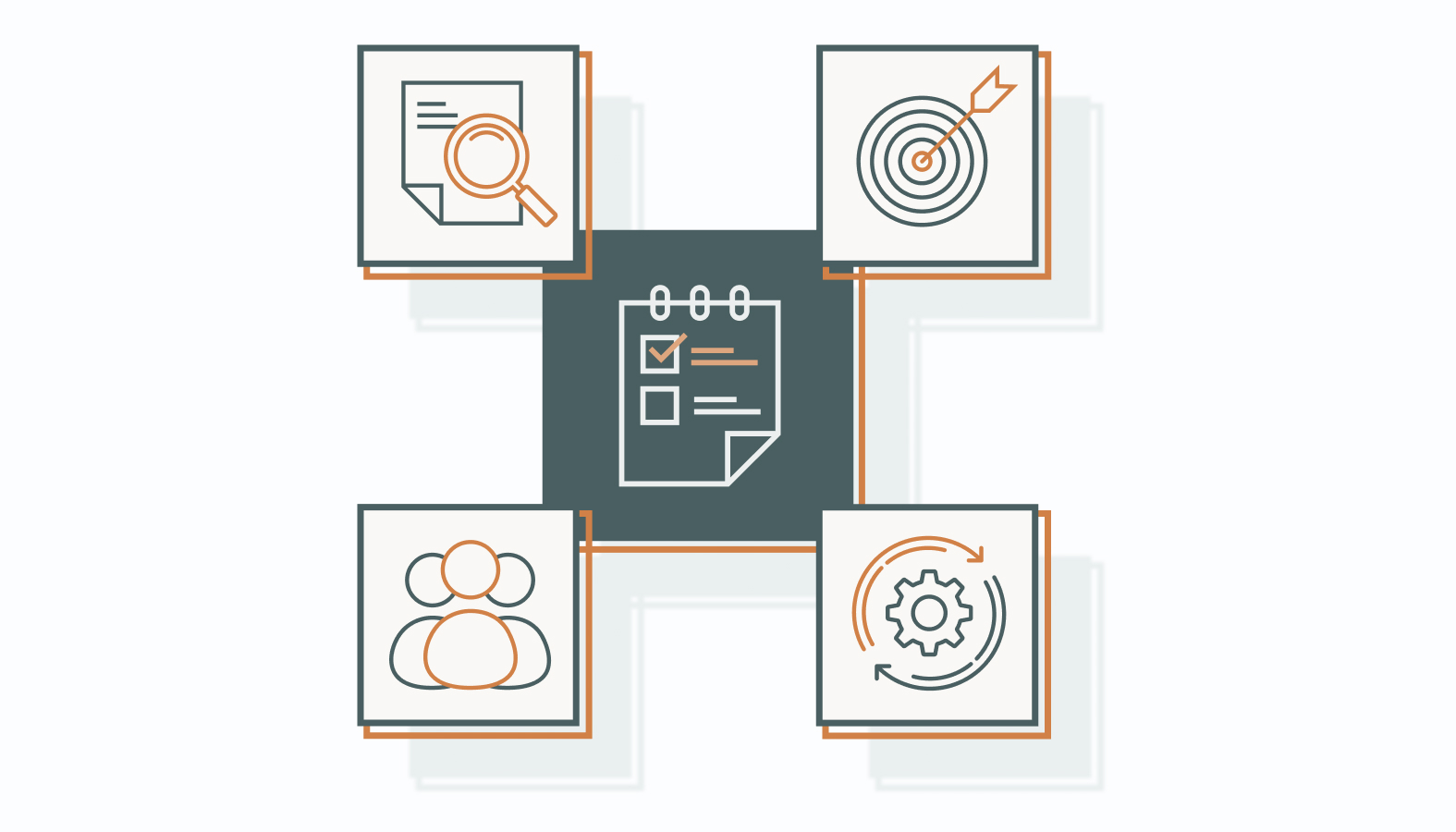
1) Evaluate Your Current Employee Experience
Start with a clear, data-driven assessment:
- Anonymous surveys: Gather honest feedback on leadership, environment, and workflows
- Focus groups: Uncover deeper insights behind the data
- Culture audits: Identify gaps between policies and brand values
2) Create a Practical EX Plan
Translate insights into action with a phased approach:
- Define success: Set clear targets for engagement, retention, and advocacy
- Prioritize: Focus on high-impact, achievable improvements
- Set milestones: Assign ownership and timelines
- Communicate progress: Share updates to maintain alignment and trust
3) Involve Leaders and Cross-Functional Teams
EX requires organization-wide ownership. Leaders must model expected behaviors, while teams like IT and Operations ensure systems support employee needs. Shared accountability drives consistency.
4) Drive Continuous Improvement: Listen and Adapt
EX is an ongoing process. Use regular feedback loops, such as pulse surveys, to track progress and adapt. Act on insights visibly, even when changes take time.
A structured, iterative approach makes employee experience aligned with business goals and supports long-term performance.
How to Overcome Obstacles to Align EX With Your Brand
Aligning internal experience with external brand promises is not always easy. When gaps appear, trust fades quickly. Strong organizations address gaps directly instead of ignoring them.
Bridge the Gap Between Brand Promise and Employee Reality
Consistency defines strong brands. If external messaging doesn’t match internal operations, employees and customers will notice.
To close the gap:
- Audit honestly: Compare brand promises with day-to-day employee experience
- Operationalize values: Embed values into hiring, onboarding, and performance management
- Involve employees: Co-create programs to ensure relevance and adoption
Alignment comes from execution and not just from statements alone.
Drive Change and Overcome Resistance
Change is rarely met with immediate applause. Skepticism is common if previous efforts were faked. The solution is transparent leadership and relentless, direct communication.
Here’s how organizations can lead lasting change:
- Explain the “Why:” Clearly define the vision. People support new initiatives when they understand how it benefits the collective and their individual roles.
- Model the Behavior: Leaders must be the first to adopt the culture they want to build. If the C-suite doesn’t buy in, neither will the front line.
- Consistency Builds Trust: Follow through on your promises. Acknowledge setbacks honestly and share progress openly.
- Identify Champions: Find the influential team members who already live the values and empower them to help lead the transition.
Alignment is built on trust and a singular focus on living your brand from the inside out. By turning skeptics into advocates, you build a resilient brand that everyone truly believes in.
Treat Employee Experience as Your Competitive Edge
In a market saturated with AI-generated content and commoditized products, your people are the asset your competitors cannot replicate. They are the operational reality behind your marketing goals and promises.
Future-proofing your brand requires shifting focus from how you look to how you operate. Authenticity is the result of a workforce that is empowered, recognized, and aligned. When you treat employee experience as a continuous strategic priority, you stop managing perceptions and start building a resilient, self-sustaining reputation.
The aim is to stop trying to outspend the competition on external campaigns and start outperforming them from within. A culture that prioritizes the human element will always produce a brand that the market trusts.
Take the Next Step and Start Building
High-performing cultures drive higher ROI and deeper brand loyalty. If you are ready to bridge the gap between your brand promise and your internal reality, get to work by scheduling a candid conversation with one of our experts. Let’s build a brand that gets trusted.