


Running an online store today can feel like progress happens, but not where it matters most. Ecommerce digital marketing brings in reach, traffic, and activity, yet results don’t always translate into steady growth.
One channel might perform well while another falls short. Or your site behavior attracts visitors, but purchases don’t follow. It’s not always clear what’s working, what’s not, or where things start to get more complicated.
Performance is shaped by how these efforts connect behind the scenes. When they don’t align, results can stall without an obvious reason.
Understanding your marketing helps you see how each part contributes to results.
What is Ecommerce Digital Marketing?
Ecommerce digital marketing is the use of online channels to attract shoppers, drive sales, and increase repeat purchases.
It usually includes:
- SEO to capture search traffic
- Paid ads to reach targeted audiences
- Email and SMS to bring shoppers back
- Content and social media to build interest and trust
- Conversion optimization to turn visits into sales
The goal is not just visibility. It is to move shoppers from discovery to purchase more efficiently.
The Essential Role of Ecommerce Digital Marketing
Ecommerce digital marketing drives online business growth. It uses the right strategies and tools to make your brand visible and drive results.
Consumer behavior has changed. Shoppers move between various devices, social networks, search engines, and email constantly. Meeting your audience online and guiding them from discovery to purchase is now the baseline expectation.
Brands that win invest in being seen, relevant, and consistent across several digital networks.
Benefits of Ecommerce Digital Marketing
Digital marketing gives ecommerce brands an advantage. Here are the most important ones:
Increased Reach and Visibility
Digital channels give you access to any audience globally. Whether you’re launching a niche product or scaling a brand, platforms like Google, Instagram, and TikTok can let you reach the right and targeted people.
For example, a small jewelry brand in Manila can reach buyers in London, Sydney, or New York. This visibility builds brand awareness and multiplies sales opportunities everywhere in the world.
Cost-effective Targeting and Personalization
Tools like Facebook Ads, Google Ads, and email automation can let you reach ideal customers based on demographics, interests, and online behaviors.
Personalization in messaging and content, such as product recommendations, birthday promos, and abandoned cart reminders, drives higher engagement and conversions. It’s about reaching the right audience at the right moment.
Ability to Measure and Optimize ROI
Digital marketing lets you track exactly how every dollar is performing in real time, and it is something traditional advertising hasn’t offered.
With tools like Google Analytics, Meta Ads Manager, and Shopify dashboards, you can measure every click, conversion, and sale, then adjust your approach to maximize ROI.
Challenges and How to Overcome Them
Ecommerce digital marketing comes with challenges. Here’s how to address the common ones:
High Customer Acquisition Costs
Paid ads can get expensive fast, especially in competitive niches. Rising acquisition costs can consume high profits if you’re not careful.
To avoid this mistake, focus on building organic reach through SEO and content marketing, and invest in customer retention with loyalty programs and stellar post-purchase experiences. Most of the time, it’s better to keep a customer than to win a new one.
Market Competition
Ecommerce is crowded, and standing out takes an intentional effort.
Focus on brand differentiation and niche targeting. Define your value proposition and communicate it clearly. Being the best for a specific audience beats trying to please everyone.
Cart Abandonment
Shoppers abandon carts for reasons like high shipping fees, unexpected charges, or a complicated checkout process.
Tactics like retargeting ads, timely abandoned cart emails, and simplifying the checkout flow can significantly reduce cart abandonment rates and recover lost sales.
Algorithm Changes
Algorithm updates can shift your traffic or ad performance quickly and without a warning. Diversify your marketing channels and stay highly visible. Follow industry news and test new approaches regularly so you can adapt when platforms change.
Core channels are the primary ways brands reach, engage, and convert customers online. Each one has a distinct role, but their real power comes from working together. Using multiple channels creates an easier experience for shoppers and protects your business from over-reliance on any single platform.
Core Channels of a Winning Ecommerce Strategy
Core channels are the main ways brands attract and convert customers to sales online. Each plays a specific role, and performance improves when they work together.
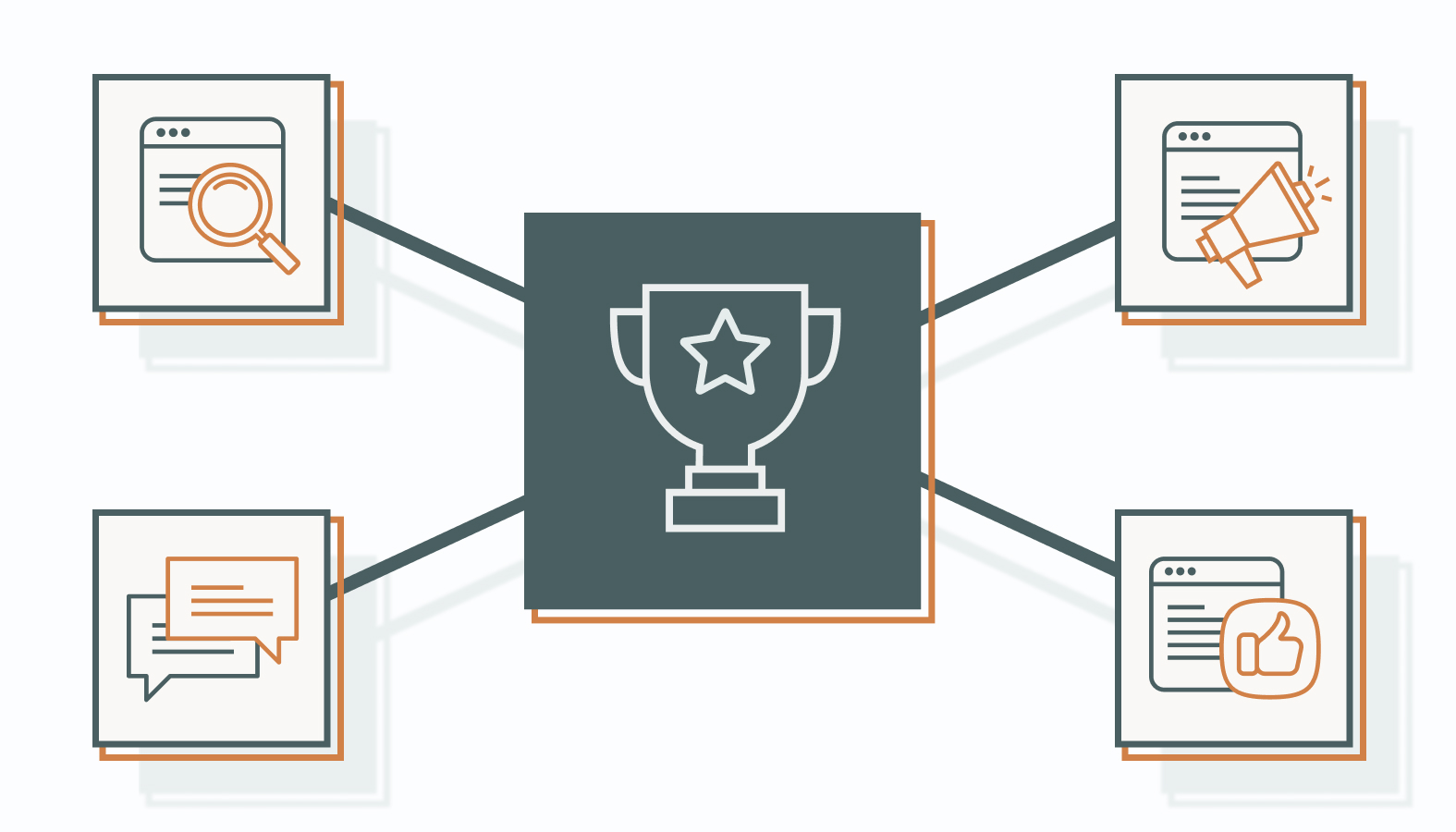
1) Search Engine Optimization (SEO)
SEO is the foundation of sustainable ecommerce growth. By ranking higher in search engines, you attract high-intent organic traffic, where people actively search for what you sell.
Unlike paid ads, SEO’s ROI grows over time. It might take months to see results, but every optimized page becomes a long-term asset.
On-Page Optimization
On-page SEO means making your content easy to find and understand. Focus on:
- Meta tags (titles and descriptions) with relevant keywords
- Product descriptions that clearly answer buyer questions
- Images with descriptive alt text
Internal linking, which connects related pages, improves navigation and helps search engines understand your website better.
Technical SEO
Even great content won’t rank if your site contains technical issues. Site speed, mobile-friendliness, and crawlability are non-negotiables.
Audit your site regularly using tools like Google Search Console to catch and fix broken links, slow load times, and indexing errors.
Content Marketing
Blogs, buying guides, and detailed product content attract and educate prospects while providing search engines with more reasons to send traffic your way.
Create content that answers real customer questions, and this initiative boosts SEO and builds trust before the sale.
2) Paid Advertising (PPC and Social Ads)
Paid ads can place your products in front of targeted audiences fast. Platforms like Google, Meta, and TikTok offer powerful tools to reach the right people quickly.
Paid channels let you scale right away, but success comes from combining sharp targeting with ongoing creative testing.
Google Shopping
Google Shopping ads appear in search results with images, prices, and ratings, directly in front of interested shoppers already looking for what you sell.
Optimize your product feed with clear titles, high-quality images, and accurate descriptions to improve rankings and click-through rates.
Meta & TikTok Ads
Meta and TikTok offer precise targeting based on interests, behaviors, and demographics.
Success also depends on testing. Try different ad formats, like carousel, video, stories, and double down on what performs best.
3) Email and SMS Marketing
Email and SMS are direct lines to customers, which are ideal for nurturing leads, driving repeat purchases, and building loyalty.
Build and segment your lists, as personalized messages consistently outperform generic ones.
Automated Flows
Automation helps a lot. Set up flows like:
- Welcome sequences for new subscribers
- Abandoned cart reminders
- Post-purchase thank-yous and upsells
Trigger these based on customer behavior, so your messages always hit at the right moment.
Campaign Newsletters
Regular newsletters can keep your brand a leading one. Whether you’re announcing a sale or sharing helpful content, plan your sends with intention.
Nail your subject lines, as these create your first impression, and always include a clear call-to-action.
4) Social Media and Influencer Marketing
Social platforms are where trust is built, and buying decisions are mostly made. A strong presence and the right influencer partnerships can turn casual browsers into repeat buyers.
Social Commerce
Platforms like Instagram Shops let customers buy directly without leaving the app.
Keep your product catalog updated, use strong and catchy visuals, and make the steps between discovery and purchase easier.
Micro-Influencers
Micro-influencers may not have massive followings, but having their audiences engaged and trusting their recommendations can make a huge difference.
Partner with influencers whose values align with your brand and goals so you can have honest reviews, product demos, or collaborative campaigns.
Three Advanced Tactics to Supercharge Your Growth
Once your foundation is solid, these advanced tactics can help scale revenue, build loyalty, and keep your business at your competitive edge.
1) Leveraging Artificial Intelligence (AI)
AI is a practical toolkit that ecommerce brands today are using to drive stronger growth:
- Product Recommendations: AI algorithms analyze browsing and purchase behavior to surface products tailored to each shopper. This level of personalization can boost average order value and keep customers coming back.
- Customer Support: AI-powered chatbots handle common queries 24/7, from order tracking to FAQs, freeing up your human team for complex issues. It improves response times and delivers a consistently positive brand experience.
- Predictive Analytics: AI can spot trends in your sales and customer data to help you forecast demand, optimize inventory, and even identify at-risk customers before they churn. For example, a beauty brand might use AI to predict which products are likely to go viral and level up production ahead of time.
2) Loyalty and Referral Programs
Loyalty and referral programs have proven through time that they can drive long-term growth.
- Loyalty Programs: Reward customers for repeat purchases, account creation, or even social sharing. Offer points, exclusive discounts, or early access to new products. The goal is to make customers feel valued and give them a reason to repurchase.
- Referral Campaigns: Turn your happiest customers into brand advocates by rewarding them for referring their friends. Structure your program with clear incentives for both the referrer and the new customer, like double-sided discounts or bonus loyalty points.
Make participation easy and trackable. Use tools like Smile.io, ReferralCandy, or your ecommerce platform’s built-in features to automate reward delivery and measure program impact.
3) Omnichannel Integration
Omnichannel means ensuring customers have a consistent, great experience with your brand, regardless of where they interact with it.
- Unified Experience: Whether a customer discovers your product on Instagram, researches it on your website, and finally purchases via a mobile app, the transition should feel effortless. Their account info, cart contents, and order history should be consistent across all touchpoints.
- Integrated Data and Messaging: Use platforms like Klaviyo or HubSpot to sync customer data and coordinate messaging. This lets you send personalized emails based on social media behavior, trigger SMS alerts for abandoned carts, or retarget website visitors with relevant ads on Facebook.
Map your customer journey across every channel. Identify friction points, like inconsistent pricing or missing info between channels, and address them with integrated tech solutions.
Beyond the Click: Conversion Rate Optimization (CRO)
Driving traffic matters, but turning visitors into customers is where revenue grows. Even small improvements to your conversion rate can have an impact. For example, a 1% lift can mean thousands in additional revenue from the same traffic.
Optimizing the Product Page
To convert browsers into buyers, your product page needs to do the persuading, so focus on:
- High-Quality Visuals: Use crisp, zoomable images and video that show your product from every angle.
- Compelling Copy: Write benefit-driven product descriptions that go beyond specs. Show how your product solves a problem.
- Clear CTAs: Make your “Add to Cart” or “Buy Now” buttons impossible to miss. Use contrasting colors and action-oriented language.
- Trust Signals: Showcase key details like free shipping, hassle-free returns, or secure checkout. Badges and guarantees reduce hesitation and build confidence.
Building Trust with Social Proof
Trust boosts conversions. Here’s how to weave social proof throughout your site:
- Customer Reviews and Ratings: Feature them prominently on product pages. Shoppers trust other shoppers more than brand promises, so let your happy customers do the talking.
- Testimonials: Use customer quotes or video testimonials to add authenticity.
- Trust Badges and Guarantees: Display third-party endorsements, like payment security logos, satisfaction guarantees, or industry certifications, to reassure buyers that they’re in good hands.
Streamlining the Checkout Process
A complicated checkout process can tire people and cause them to leave. Shoppers abandon carts even for the smallest hassles. Make it as smooth as possible:
- Minimize Steps: Reduce the number of fields and pages. Guest checkout is a must, so don’t force account creation.
- Multiple Payment Options: Accept all major cards, digital wallets (like PayPal or Apple Pay), and, where possible, local payment methods.
- Transparent Shipping Info: Show costs and delivery timelines early. Surprises at checkout may lead to disappointment and abandonment.
Focusing on these CRO fundamentals boosts your conversion rate and dramatically increases the ROI from every marketing channel you invest in. Remember: small tweaks can have a big impact.
Building a Stronger Ecommerce Marketing System
Strong ecommerce marketing comes from how well your channels work together, more than just from any single tactic.
The brands that perform consistently focus on the full system with visibility, conversion, and retention, and keep improving what impacts revenue most. SEO, paid ads, email, social, and CRO all have a role, but alignment is what drives results.
Start by identifying your biggest gaps, then fix them one at a time. Consistent, focused improvements compound faster than a lot of unorganized efforts.
Get Clear on Your Next Move
If your ecommerce marketing feels unclear or underperforming, a second look can help you prioritize what matters most.
Schedule a candid conversation with one of our experts. We’ll review your current approach, identify gaps, and outline practical next steps based on your goals so that you can move forward with a clearer plan and better direction.