


In a world where customers have endless options, Customer Retention Management has become more important than ever. It’s not enough to win a sale; the challenge lies in keeping clients satisfied, engaged, and coming back.
By focusing on retention, businesses can lower costs, increase lifetime value, and build trust that drives repeat revenue. From measuring key metrics to implementing targeted programs, this guide walks you through the essential approaches for keeping customers loyal.
Here, we’ll uncover how thoughtful retention strategies can turn fleeting interactions into long-term business success.
Customer Retention 101

In today’s competitive landscape, keeping customers is a smart business move that pays off in revenue, loyalty, and reputation.
Understanding customer retention helps companies build a stable base that can weather market shifts while creating advocates who actively promote your brand. Strong retention practices turn routine transactions into meaningful relationships that grow over time.
What is Customer Retention?
Customer retention is the ability to maintain ongoing relationships with your existing clients, ensuring they stay satisfied, engaged, and willing to return. It focuses on creating experiences that keep customers connected to your brand, rather than constantly chasing new leads.
While bringing in new clients adds to your growth story, retaining the ones you already have provides a reliable foundation for consistent revenue and long-term planning.
Benefits of Customer Retention
Focusing on keeping customers satisfied and loyal delivers tangible results that go far beyond just repeat purchases.
A well-executed retention strategy strengthens your bottom line, builds lasting relationships, and amplifies your brand influence. Key benefits include:
- Lower Acquisition Costs: Retaining an existing customer is far cheaper than constantly bringing in new ones. Marketing budgets can stretch further when fewer resources are spent chasing fresh leads.
- Higher Lifetime Value: Long-term customers tend to spend more over time, try additional products or services, and contribute more revenue per client.
- Word-of-Mouth Referrals: Satisfied, loyal customers naturally promote your brand, providing organic marketing that’s credible and cost-free.
- Improved Predictability: Stable retention rates allow for better revenue forecasting, resource planning, and strategic decision-making.
- Stronger Brand Loyalty: Engaged customers develop trust and emotional connections with your brand, making them less likely to switch to competitors.
- Valuable Feedback Loops: Long-term customers provide insights into products, services, and experiences, giving you actionable data to improve your offerings.
- Competitive Advantage: In markets crowded with options, a loyal customer base sets you apart, creating an audience that supports your growth even when trends shift.
Retention is a multiplier for efficiency, profitability, and resilience. By investing in your existing customers, you’re building a network that drives continuous growth and long-term stability.
Key Metrics for Customer Retention
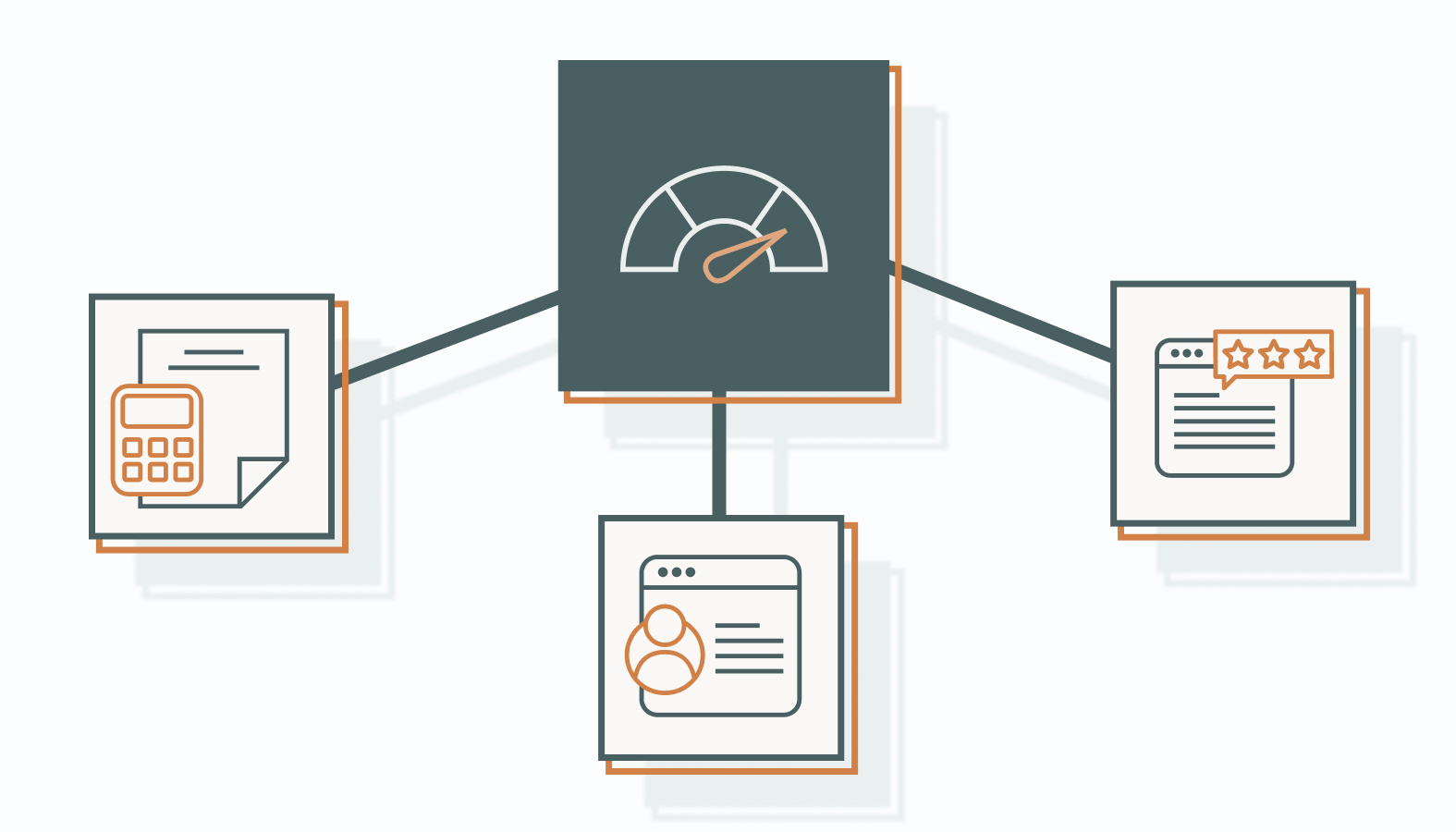
Understanding customer behavior is one thing – quantifying it is where the real strategy begins.
Metrics give you a clear picture of how customers interact with your brand and reveal where retention efforts succeed or stumble. Tracking the right numbers lets you make smarter decisions, optimize resources, and fine-tune experiences that keep people coming back.
Calculating Retention Rates
Retention rate is the most straightforward indicator of how well a business maintains its customer base over a specific period. The formula is simple:

A high retention rate shows that your engagement strategies are sticking, while a dip signals that adjustments are needed. Beyond just a number, this metric offers a snapshot of customer loyalty and the effectiveness of your ongoing interactions.
Understanding Customer Lifetime Value
Customer Lifetime Value (CLV) estimates the total revenue a single customer can generate throughout their relationship with your business.
CLV helps businesses prioritize where to invest their time, energy, and marketing dollars. By identifying high-value customers, you can focus on experiences and services that nurture those relationships and maximize long-term profitability.
CLV also helps you spot segments with potential to grow, giving retention strategies a sharper, data-driven focus.
Measuring Satisfaction with Net Promoter Score
The Net Promoter Score (NPS) is a quick but powerful way to gauge how customers feel about your brand.
By asking how likely they are to recommend your business on a 0–10 scale, NPS categorizes respondents as Promoters, Passives, or Detractors. This simple measure delivers rich insights: high scores highlight your strongest advocates, while lower ones flag friction points in the customer experience.
When you act on this feedback, you don’t just fix problems – you create opportunities for deeper loyalty and more meaningful engagement.
Tracking these metrics transforms guesswork into strategy, giving your business the insight needed to strengthen relationships, increase satisfaction, and maintain a loyal customer base that fuels growth.
Effective Customer Retention Strategies
Retention isn’t a lucky break; it’s engineered. Winning customers is one thing, keeping them is where real business muscle shows.
To lock in loyalty, you need strategies that resonate, engage, and keep people coming back without forcing them to think twice.
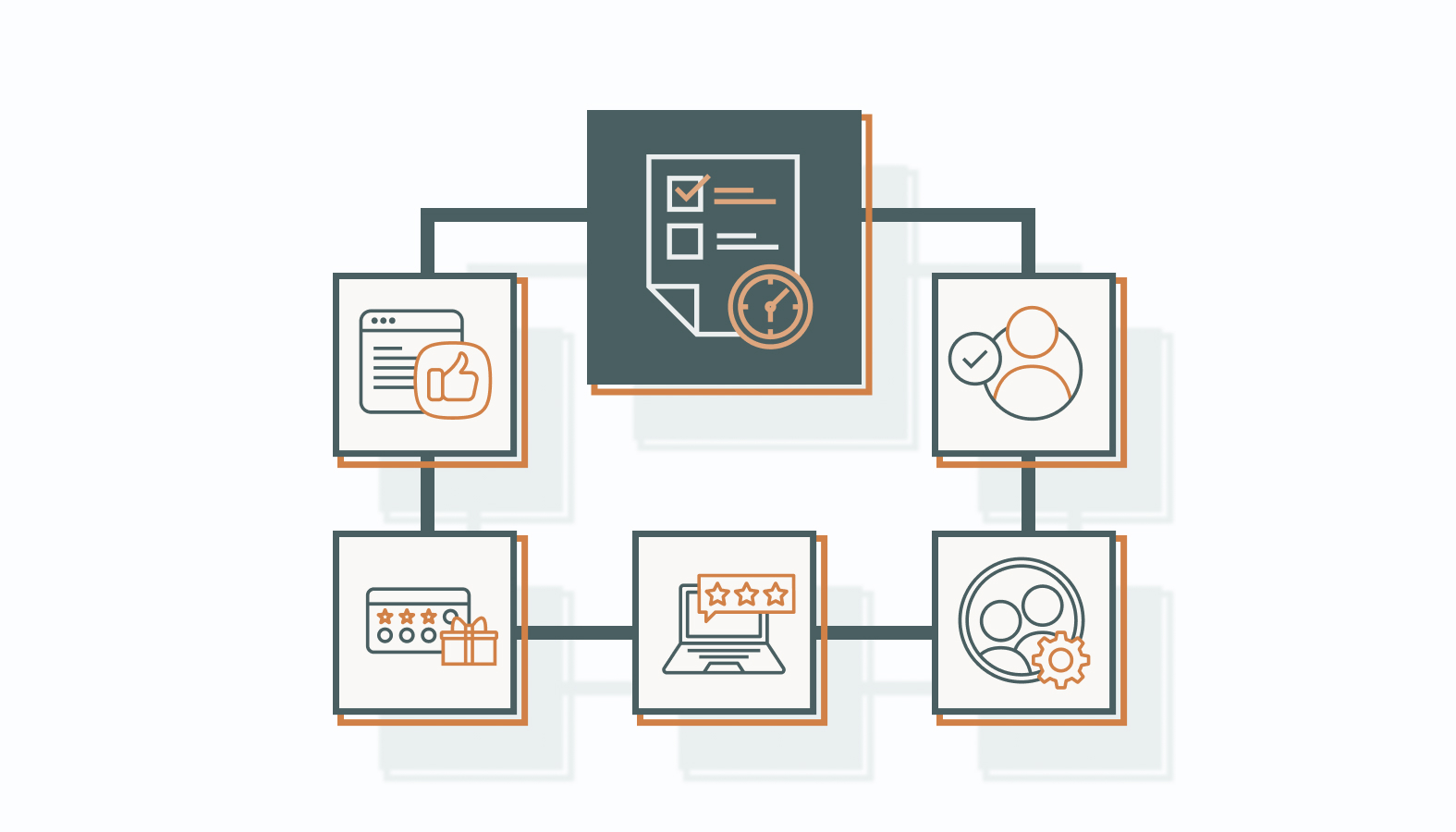
Tailor Experiences for Customers
Customers remember how you make them feel. Use every touchpoint to create interactions that are smooth, relevant, and unexpectedly delightful. From tailored messaging to context-aware suggestions, small details compound into a loyalty loop that keeps clients returning.
- Personalize communications and offers based on individual preferences and behavior.
- Optimize every interaction to be frictionless, from email to in-app experiences.
- Surprise and delight customers with thoughtful touches that exceed expectations.
- Monitor engagement patterns to refine and improve experiences continuously.
Improve Onboarding Processes
A clunky first impression kills momentum. A seamless onboarding experience sets the tone for the entire relationship.
Think clear instructions, interactive tutorials, and welcome communications that feel personal without being generic.
- Provide step-by-step guidance that’s easy to follow and visually clear.
- Use interactive tutorials and demos to accelerate understanding.
- Send personalized welcome messages that make customers feel valued.
- Track onboarding progress to identify and address early drop-off risks.
Quick comprehension leads to early wins, and early wins lead to trust.
Leverage Customer Feedback
Feedback is more than data; it’s a roadmap. Surveys, social channels, and direct conversations reveal exactly what customers want and where friction exists.
- Collect feedback through multiple channels: surveys, social media, and direct outreach.
- Analyze patterns to pinpoint pain points and hidden opportunities.
- Implement improvements quickly to show customers their input matters.
- Share updates or changes with customers to reinforce trust and transparency.
Acting on these insights promptly demonstrates that your brand listens and evolves, turning occasional users into committed advocates.
Create Rewarding Loyalty Programs
Loyalty programs should feel like a VIP experience, not a chore. Points, perks, and tiered memberships incentivize repeat behavior while deepening emotional connection.
- Offer points or rewards for purchases, referrals, or engagement activities.
- Introduce exclusive discounts, early access, or special experiences for loyal customers.
- Design tiered programs that escalate benefits as customers deepen their relationship.
- Regularly refresh rewards to maintain excitement and relevance.
When customers see tangible benefits for their engagement, staying loyal becomes instinctive.
Engage Customers Proactively
Proactivity is underrated. Regular check-ins, product tips, and timely recommendations prevent small issues from becoming headaches.
- Schedule periodic check-ins to identify potential issues early.
- Share relevant product updates, usage tips, or curated recommendations.
- Monitor customer behavior to predict needs and intervene when necessary.
- Empower support teams to resolve concerns before customers escalate them.
Anticipating needs and solving problems before they surface creates trust, reduces churn, and makes your brand feel indispensable.
Real-World Customer Retention Success Stories
Studying the heavyweights in customer retention reveals lessons any business can leverage. These companies built loyalty deliberately, mastering customer needs and delivering consistent value.
Let’s break down what worked and how you can replicate it.
Amazon Prime
Amazon Prime combines free shipping, streaming services, and exclusive deals into a single subscription. This bundle creates undeniable value, encouraging members to keep renewing.
The convenience and breadth of benefits make Prime indispensable, boosting lifetime value and keeping customers returning.
What worked and how to copy for your business:
Bundle complementary services or perks that enhance the core product. Identify what your customers value most and package it in a way that makes leaving your brand feel like a loss.
Convenience is a loyalty multiplier; make your customers’ lives easier, not harder.
Starbucks Rewards Program
Starbucks Rewards lets customers earn points for purchases, which are redeemable for free items. The mobile app integration allows users to track rewards, make payments, and receive personalized offers seamlessly.
Birthday rewards and tailored promotions make the experience feel personal.
What worked and how to copy for your business:
Turn transactions into experiences. Use technology to track engagement, reward consistent behavior, and personalize interactions.
Even small, thoughtful touches – like a birthday perk or a targeted offer – can significantly deepen loyalty and drive repeat business.
Sephora’s Beauty Insider Program
Sephora’s tiered membership system provides exclusive product access, special events, and unique perks. By offering a sense of exclusivity and fostering community through shared experiences, Sephora turns customers into brand advocates.
What worked and how to copy for your business:
Create tiers that reward continued engagement. Make your loyal customers feel part of a club with unique benefits they can’t get elsewhere.
Build experiences that go beyond the product, turning interactions into memorable moments that strengthen emotional connection.
Zappos Customer Service
Zappos is famous for customer-first service, including free shipping and returns, a 365-day return policy, and employee empowerment to go the extra mile. Their approach prioritizes satisfaction above all else.
What worked and how to copy for your business:
Invest in extraordinary service. Empower your team to make decisions that delight customers, even when it costs time or effort.
Customer loyalty isn’t bought; it’s earned by demonstrating consistently that their satisfaction is your top priority.
Crafting a Robust Customer Retention Framework
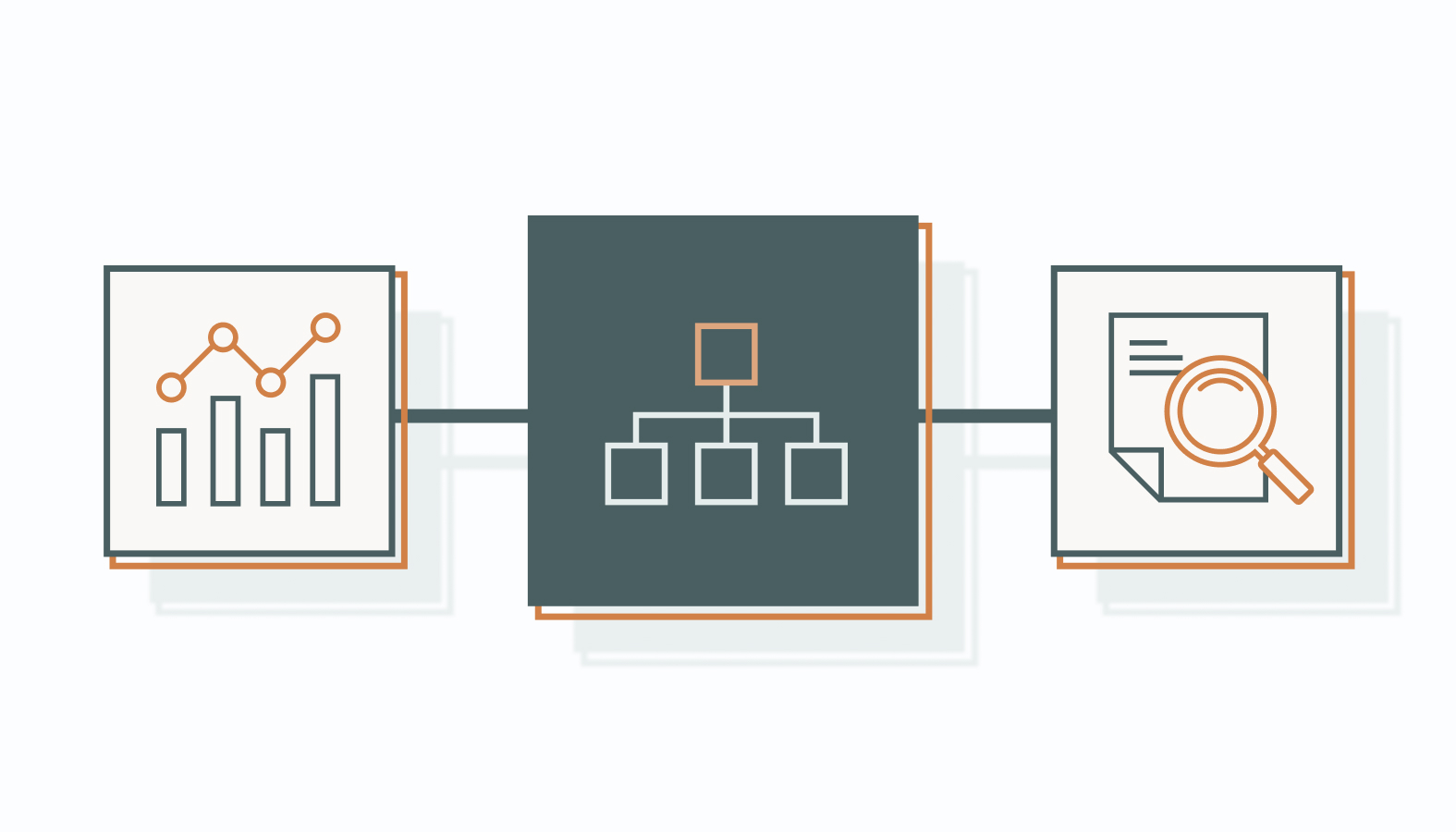
Building a framework that consistently keeps clients engaged requires strategy, insight, and an unwavering focus on value.
A well-designed framework adapts to different business models, ensuring every interaction reinforces loyalty and strengthens long-term growth.
Phase 1: Essential Components of a Customer Retention Framework
Before you implement anything, you need to know the building blocks. These core components create the foundation for long-term customer loyalty and measurable retention.
1) Customer Insights: Data isn’t just numbers; it’s the blueprint of your customers’ desires. Understanding patterns, preferences, and pain points lets you anticipate needs before they arise.
Businesses that leverage insights can design experiences that feel personal and intuitive, creating a sense of connection that goes beyond the transaction.
2) Personalization: Generic outreach belongs in the past. Tailoring communications, offers, and experiences to individual customers signals that you see them—not just their wallet.
Personalization turns ordinary interactions into moments that matter, making customers feel recognized, valued, and increasingly loyal.
3) Feedback Mechanisms: Listening is only half the job. Effective feedback loops collect input through surveys, social engagement, and direct conversations, then translate it into immediate action.
Companies that respond to feedback demonstrate that customer opinions shape the experience, reinforcing trust and long-term commitment.
4) Loyalty Programs: Loyalty isn’t simply points on a card—it’s a reason to keep coming back. Structuring programs with meaningful benefits that align with customer interests encourages repeat behavior, creates emotional bonds, and rewards engagement in ways that feel both tangible and exclusive.
5) Proactive Engagement: Waiting for problems to appear is a recipe for churn. Reaching out proactively—through tailored recommendations, timely updates, and preventive support—turns potential friction into moments of delight.
Anticipating customer needs transforms service from reactive to strategic, elevating the brand in the customer’s mind.
Phase 2: Implementing and Adapting the Framework
Having the right components is just step one.
The next phase is about applying them intelligently, customizing them for your business, and refining your approach over time.
6) Assess Business Needs: Every business has a unique ecosystem. Begin by analyzing your model, market, and customer base to identify where retention wins matter most.
Establishing clear goals ensures that strategies are targeted, measurable, and aligned with broader growth objectives.
7) Customize Strategies: There’s no one-size-fits-all. A SaaS company might prioritize automated digital touchpoints, while a retail brand invests in curated in-store experiences.
Adapt framework elements to match your audience, industry, and resources, creating a retention approach that feels natural and effective.
8) Monitor and Adjust: Even the smartest strategies evolve. Continuously track retention metrics, customer behavior, and feedback to identify gaps and opportunities.
Flexibility isn’t optional. It’s the difference between static programs that plateau and dynamic frameworks that scale with changing expectations.
Putting It All Together
When these components work in concert, businesses create a retention ecosystem that drives loyalty at every stage of the customer journey. A robust framework transforms sporadic interactions into predictable, profitable relationships.
By embedding insight-driven personalization, proactive engagement, and meaningful rewards, companies successfully hold on to customers and turn them into advocates, multiplying lifetime value and fueling sustainable growth.
Securing Long-Term Loyalty: Your Next Move
Retention is the engine behind sustainable growth.
When you master keeping customers engaged, satisfied, and connected, you unlock lower costs, higher profitability, and a loyal base that actively champions your brand.
Applying strategies like personalization, seamless onboarding, proactive engagement, and thoughtfully designed loyalty programs doesn’t just maintain relationships, but amplifies them.
Build a retention framework tailored to your business, and every interaction becomes an opportunity to deepen trust, deliver value, and secure long-term success.
Take Action Today
Don’t wait for churn to remind you why retention matters.
Schedule a candid conversation with one of our experts and discover how to transform your customer relationships into a growth engine that delivers measurable results.