



Digital audiences aren’t loyal to a single platform, and neither should your SEO be. Multichannel SEO ensures your brand is visible wherever potential customers are searching, scrolling, or sharing content.
The challenge? Each platform has its own rules, rhythms, and expectations. Nail the integration, and you turn scattered marketing efforts into a synchronized engine that drives reach, engagement, and growth.
This guide shows you how to weave SEO into every channel, from social to content marketing to influencer partnerships, without losing focus or efficiency.
How SEO Shapes Every Marketing Channel
SEO may sit behind the scenes, but it’s the architecture that gives your entire multichannel strategy its shape and direction.
Instead of competing with other tactics for attention, it quietly aligns your search presence with your social content, email strategy, and paid campaigns, so every touchpoint works together to get the right message in front of the right people at the right time.
When your channels operate on shared search intelligence – intent data, keyword strategy, and structured content – you create a system where visibility builds on itself:
- A strong blog post fuels sharper social messaging.
- Social engagement informs smarter email segmentation.
- Paid campaigns expand the reach of your best organic themes.
Each channel strengthens the others, helping your brand show up with intention rather than by coincidence.
Creating Consistent Experiences Across Platforms
Consistency isn’t a cosmetic exercise; it’s how you make your brand unmistakable in a crowded digital environment.
When tone, pacing, visual cues, and overall value delivery feel aligned, every interaction becomes another confirmation that users are in the right place.
A well-designed multichannel experience doesn’t trap users; it guides them.
- Social posts that lead naturally into deeper content,
- Website resources that point to helpful videos,
- Emails that pick up interest sparked a search,
These transitions reduce friction and create a journey that feels seamless and intuitive. That sense of clarity and continuity is what keeps audiences engaged and moving forward.
Essential SEO Techniques for Multichannel Success
This is where strategy meets execution. A high-performing multichannel approach starts with core SEO fundamentals: research that reflects real user behavior, technical optimization that keeps your site fast and crawlable, and mobile performance that works flawlessly in the moments users need you most.
Each channel can then apply those insights in its own way:
- Web content built around depth, intent, and clarity
- Social posts driven by topics proven to resonate in search
- Emails shaped by high-interest patterns found in organic data
- Visuals tagged and structured to strengthen overall discoverability
With the right SEO backbone in place, every platform becomes easier to find, easier to navigate, and easier to trust – setting the stage for a multichannel strategy that consistently outperforms.
Why Multichannel SEO Delivers Stronger Results
Before we jump into the playbook, here’s the quick reality check: multichannel SEO isn’t “nice to have” anymore. It’s the force multiplier that makes every other marketing move hit harder.
- Broader Brand Presence: When your SEO intelligence feeds every channel, you expand your surface area of discovery. People find you in more places (search, social, email, and content ecosystems) in more ways, without feeling like they’re being chased around the internet.
- Sharper Targeting Precision: Pulling insights from multiple environments gives you a clearer read on what your audience actually responds to. Patterns appear faster, messaging tightens, and you stop guessing what customers want – you see it.
- Deeper, More Natural Engagement: Each channel amplifies the next, creating momentum instead of noise. Users don’t just interact once – they follow the trail because every touchpoint feels connected and worth their time.
- Sustainable, Compounding Growth: As your channels start reinforcing one another, your marketing becomes harder to disrupt. Competitors can copy tactics, but they can’t easily replicate a system where search, content, and audience behavior continuously fuel long-term advantage.
Executing Multichannel Marketing: Managing Platforms the Smart Way

Running multiple marketing channels isn’t a juggling act; it’s an engineering challenge. And when you approach it like an engineer, the entire system gets smarter. Each platform becomes a node with a purpose, feeding data, signals, and opportunities back into the larger machine you’re building.
A well-run multichannel strategy starts with strategic orchestration. Every platform has its strengths, limitations, and personality, which means the real skill is knowing how to coordinate them without diluting your brand’s identity.
Strong governance (with clear messaging frameworks, unified creative direction, and shared performance data) keeps your channels moving in sync instead of running in parallel.
This is where the right tools earn their keep. Customer relationship management (CRM) platforms, project hubs, and integrated analytics systems turn scattered touchpoints into a traceable, manageable workflow. When every interaction is logged and connected, you get cleaner handoffs, faster decisions, and a brand experience that feels deliberate from start to finish.
How SEO Amplifies Your Social Media Reach
Social media might move fast, but SEO gives it staying power. When your posts align with how people search, your social content becomes easier to discover, revisit, and repurpose.
Optimized captions, keyword-aligned themes, and properly tagged visuals help platforms understand what your content is about, which boosts your visibility both inside the platform and across the wider web.
And because strong social engagement sends confidence signals to search engines, your most active posts can quietly elevate your broader digital presence without you lifting an extra finger.
When your social content strategy revolves around topics people already care about, you’re not just posting. You’re positioning. Every like, share, and comment becomes another data point that strengthens the story search engines see about your relevance.
Using SEO Insights to Strengthen Content Across Channels
Great content is built on proof. SEO analytics reveal what people are actually looking for, how they behave once they find you, and which messages carry the most weight across your ecosystem. That intelligence becomes the blueprint for smarter creative decisions.
Tracking user behavior like organic traffic flows, high-retention topics, and conversion-leading pages helps you fine-tune everything from your content themes to your distribution cadence. Over time, you start shaping content that lands quicker, performs longer, and attracts audiences who are already primed to engage.
This approach improves content quality and content economics. You invest in topics with real demand, formats with real pull, and channels that consistently deliver.
Leveraging Influencers and Referrals to Support SEO
Influencers and referral-driven audiences serve as credibility accelerators. When respected voices talk about your brand, search engines pay attention. High-quality backlinks, brand mentions, and traffic spikes all feed into the reputation signals that improve your organic visibility.
A smart influencer strategy aligns creators with the parts of your brand ecosystem that need amplification – product pages, cornerstone content, or key campaigns. Their audiences bring fresh search activity with them, strengthening your brand’s footprint across multiple discovery points.
Referrals add another layer of momentum. The more people talk about you through reviews, recommendations, or how-did-you-find-us searches, the more your authority compounds. It’s a virtuous cycle: trust fuels visibility, visibility fuels search demand, and search demand fuels long-term growth.
The New Wave of Multichannel SEO: Trends Shaping the Future
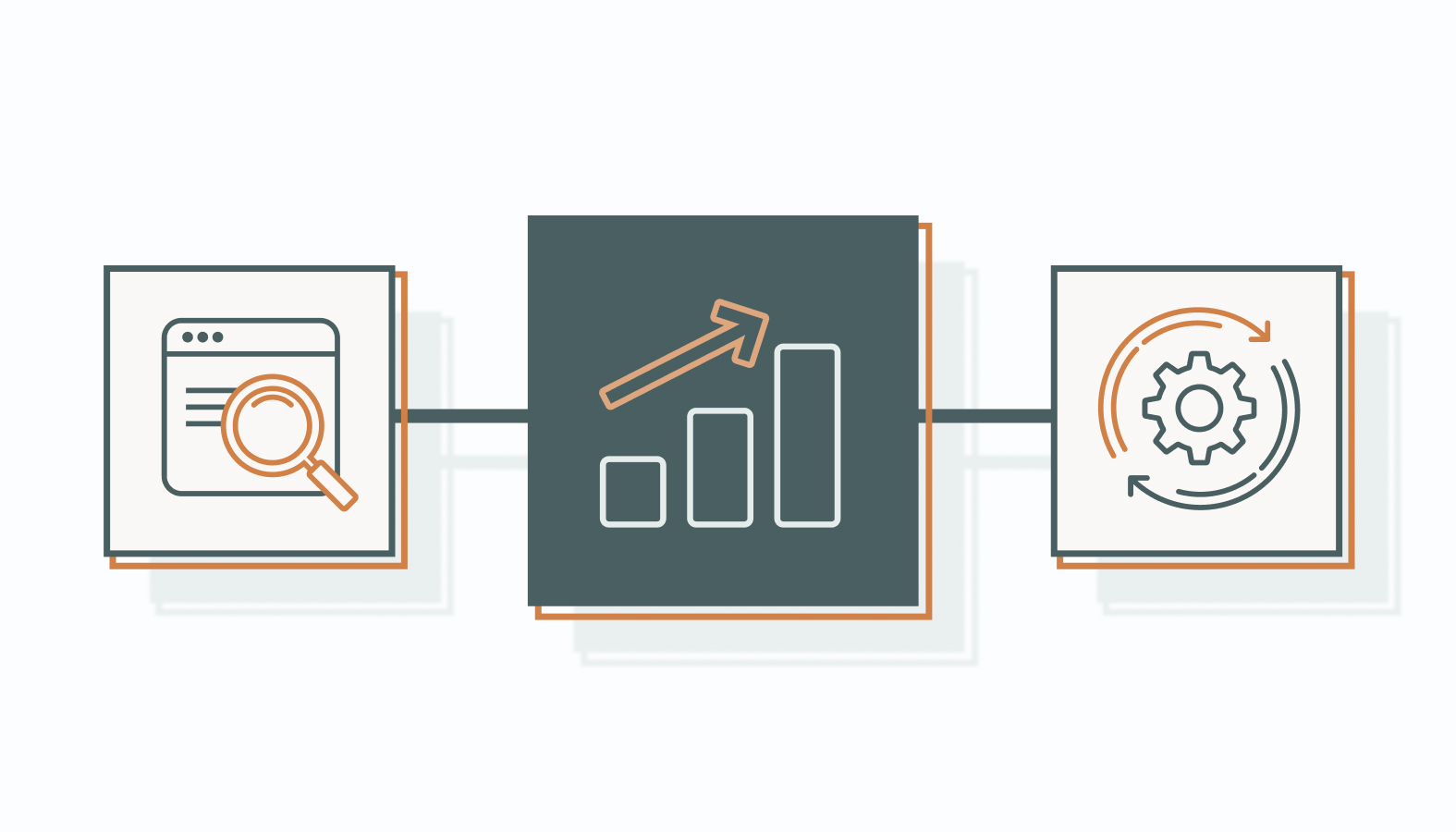
Multichannel SEO is evolving fast, and the next wave isn’t subtle. It’s smarter, more adaptive, and built around user expectations that shift across devices, formats, and platforms.
As digital behavior grows more fragmented, SEO is becoming the connective tissue that unifies discovery, relevance, and customer experience.
What’s ahead isn’t just “more data.” It’s sharper targeting, personalized pathways, and technologies that upgrade your decision-making in real time.
How AI is Changing Multichannel SEO Strategies
Artificial intelligence is rebuilding how strategy works behind the scenes.
Today’s AI systems digest more signals, spot patterns faster, and surface intelligence humans would miss until next quarter.
AI is elevating multichannel SEO by:
- Predicting user intent across platforms before trends fully emerge
- Automating time-consuming tasks like topic clustering, content scoring, and SERP pattern detection
- Enhancing content quality with precise recommendations based on what audiences (and search engines) actually reward
- Supporting smarter decision-making through real-time insights rather than manual guesswork
Examples of AI-powered advantages include:
- Tools that interpret semantic intent with near-human nuance
- Content intelligence platforms that identify gaps in your topical authority
- Systems that model how users move between channels and surface optimization opportunities instantly
AI doesn’t replace strategy; it upgrades the strategist.
Implementing Omnisearch Optimization (OSO) Across Channels
Omnisearch Optimization is the next frontier: optimizing for every way users search (not just typed queries). It’s what ensures your brand shows up whether someone is speaking to a smart speaker, scanning an image, or scrolling through video-first platforms.
OSO strengthens your multichannel visibility by focusing on:
- Voice search readiness, powered by structured data and natural-language content
- Image-based discoverability, supported by clean metadata, descriptive alt text, and high-quality visual assets
- Video search optimization, including transcript accuracy, keyword-aligned titles, and platform-specific metadata
- Cross-format content alignment, ensuring your messaging is recognizable no matter where or how the search starts
Implementing OSO gives your brand a wider surface area for discovery, which is crucial as users shift between voice, visual, and video-driven behaviors.
How to Shift from Single-Channel to Multichannel SEO
Transitioning from a single-channel mindset to a true multichannel SEO system is a structural evolution. You’re moving from isolated optimizations to a coordinated discovery engine that works across platforms, formats, and user journeys.
To pull that off, you need clarity, coordination, and the willingness to rethink how your content ecosystem operates.
Step-by-Step Guide to Multichannel SEO Transition
Below is the practical playbook for making that leap without losing momentum.
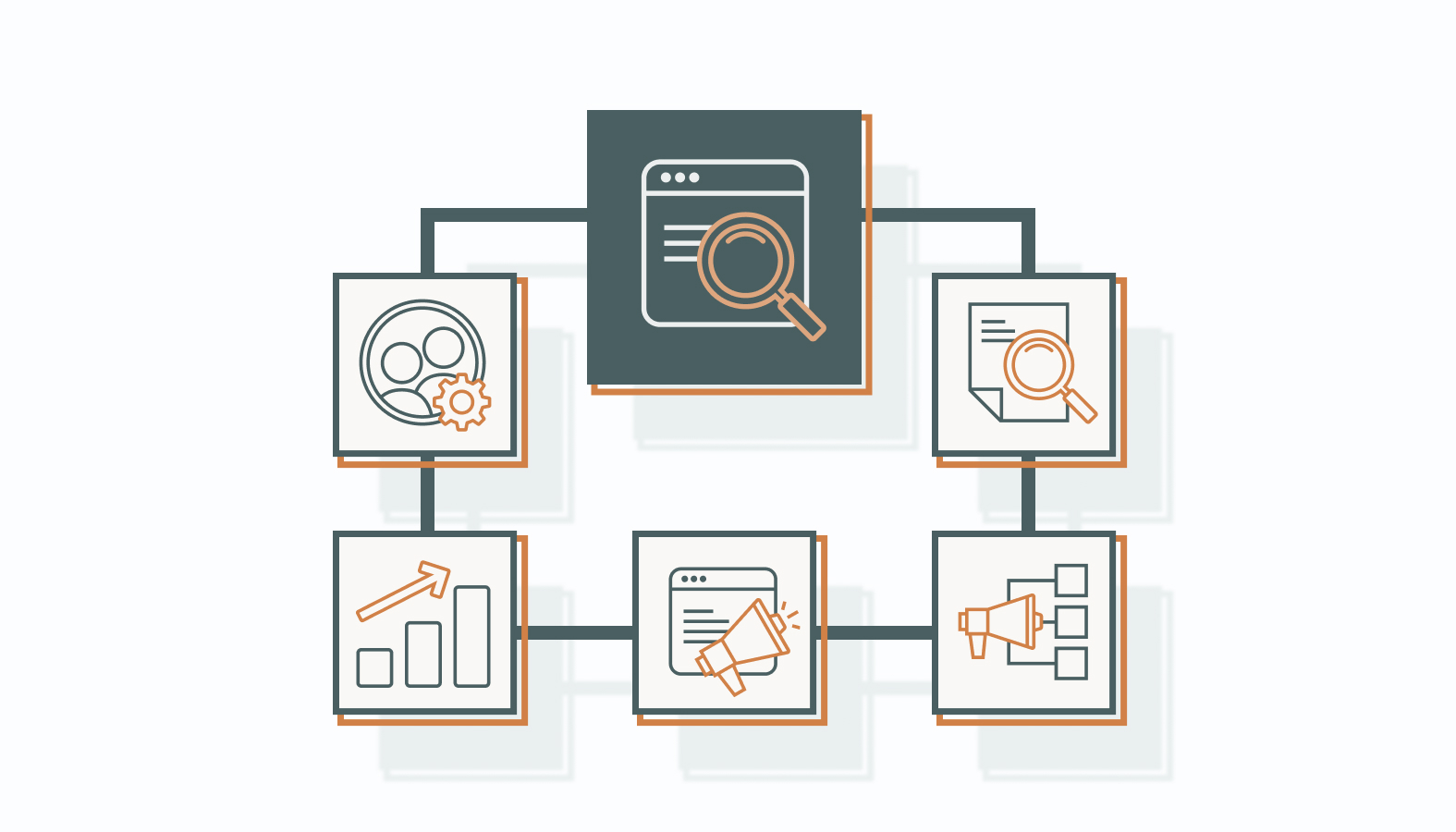
1) Assess Your Current SEO and Marketing Performance
Before you choose new channels or redesign workflows, you need a clean baseline. Treat this step like a diagnostic scan. No assumptions, just data telling you what’s actually happening.
Look at:
- Traffic sources: Which channels deliver meaningful engagement vs. vanity spikes?
- Keyword performance: Where are you winning, plateauing, or invisible?
- Behavior patterns: How users move, where they drop off, what converts, and what never will.
- Content gaps: Topics you rank for accidentally vs. topics you should own strategically.
Useful tools include:
- Google Analytics & Search Console to understand where attention starts and where it evaporates.
- SEMrush or Ahrefs to spot opportunity clusters across multiple channels.
- Heatmaps/session recordings to see how real humans actually interact with your ecosystem.
This step gives you the cockpit view you need before expanding into multiple pathways.
2) Identify the Best Channels for Your Brand’s Growth Trajectory
Not every brand belongs everywhere, and trying to be everywhere guarantees mediocrity. The goal is strategic presence, not omnipresence.
When evaluating channels, consider:
- Audience behavior: Where your target segments actively search, research, and decide.
- Content readiness: Do you have the assets, expertise, and voice that fit a platform’s norms?
- Competitive landscape: Where rivals are dominant vs. where they’re asleep at the wheel.
- Channel purpose: Is it for discovery, depth, nurturing, or conversion?
Examples:
- YouTube may be a powerhouse for education-heavy verticals.
- LinkedIn might be the prime territory for B2B trust-building.
- Pinterest can dominate for lifestyle, visual, and inspiration-driven categories.
Choosing channels deliberately prevents your strategy from turning into a chaotic content buffet.
3) Tailoring Content for Each Platform’s Native Behavior (Without Losing Brand Cohesion)
Every platform has its own rhythm. Its own attention patterns. Its own unwritten rules. Your job is to adapt without fracturing your brand identity.
Think in terms of platform-native execution:
- Instagram/TikTok: Short-form visuals, emotional hooks, snackable insights.
- LinkedIn: Authority-driven posts, data-backed frameworks, thought leadership.
- YouTube: Problem-solving videos, explainers, narrative walkthroughs.
- Your website: In-depth, structured content aligned with intent and relevance.
To tailor effectively, follow these steps:
- Match format to user mindset: Someone scrolling TikTok at 11 PM isn’t ready for a whitepaper.
- Repurpose intelligently: One core topic can turn into 8–12 platform-specific assets.
- Keep voice consistent: No matter the format, your brand should sound unmistakably like you.
Customizing doesn’t dilute your presence; it sharpens it.
4) Tracking SEO Performance Across Channels
Multichannel SEO only works if you know which inputs create which outcomes. Tracking helps you validate decisions, optimize faster, and avoid wasting resources.
Monitor:
- Cross-channel keyword lift: How visibility in one platform impacts another.
- Engagement-to-search patterns: How social traction increases branded and non-branded queries.
- Attribution pathways: Which channels actually drive conversions vs. just impressions.
- Content momentum: Evergreen assets that consistently perform across platforms.
Tools to support this:
- Looker Studio (formerly Google Data Studio): Unified dashboards with cross-platform metrics.
- Tableau or Power BI: Perfect for multi-team visibility and deeper analysis.
- UTM frameworks: Essential for keeping multichannel data clean and readable.
When you track intelligently, optimization becomes second nature.
5) Align Your Teams to Create One Unified SEO Engine
Multichannel success comes from synchronized execution. The handoffs between SEO, content, analytics, and social teams need to feel like passing a baton, not throwing it across the room.
To create true alignment:
- Hold regular cross-functional syncs: Short, structured, outcome-focused.
- Build shared frameworks: Keyword maps, messaging guides, content calendars.
- Create a central “source of truth” hub: One place for data, briefs, insights, and finalized assets.
- Define roles clearly: Who owns strategy? Execution? QA? Measurement?
When teams operate from the same intelligence, you get a cohesive brand. No friction, no duplication, no mixed signals.
The Long-Term Business Impact of Multichannel SEO
Shifting to a multichannel SEO approach is the difference between playing marketing in silos and commanding a fully integrated digital ecosystem. When executed well, it transforms scattered efforts into a synchronized engine where every channel amplifies the others, delivering measurable impact across reach, engagement, and growth.

Here’s what a strong multichannel SEO strategy brings to the table:
- Expanded Reach: Connect with audiences where they already spend time – social media, email, search engines – and engage different segments with tailored messaging.
- Consistent Customer Experience: Maintain seamless interactions across platforms with unified branding, messaging, and smooth transitions that reduce friction in the user journey.
- Deeper Insights: Analyze cross-channel data to understand audience behavior, uncover content opportunities, and refine targeting for higher ROI.
- Agility and Adaptability: Quickly respond to consumer feedback, emerging trends, and market shifts, keeping your brand relevant and competitive.
- Sustainable Growth: Integrated SEO strengthens your marketing ecosystem, reinforcing brand equity and compounding results over time.
In short, multichannel SEO turns fragmented marketing tactics into a cohesive, high-performing system. By aligning search strategy, content, and platform-specific efforts, your brand becomes easier to find, more engaging to interact with, and smarter at anticipating audience needs.
The payoff goes beyond better search rankings. You’re building a marketing engine that’s smart, scalable, and built to thrive in the fast lane of today’s digital world.
Take Your Multichannel SEO to the Next Level
Align your SEO with every platform to expand visibility, engage audiences consistently, and unlock actionable insights that drive real growth.
Schedule a candid conversation with one of our SEO experts and discover how to make your multichannel marketing smarter, faster, and built to last.